News6 min read
Microsoft 365 Outage: More Than 24 Hours Without E-mail, Now What?
Microsoft 365 down from 12 to 14 November in 74 countries: the cause, the phishing that followed and five decisions to make before the next outage.
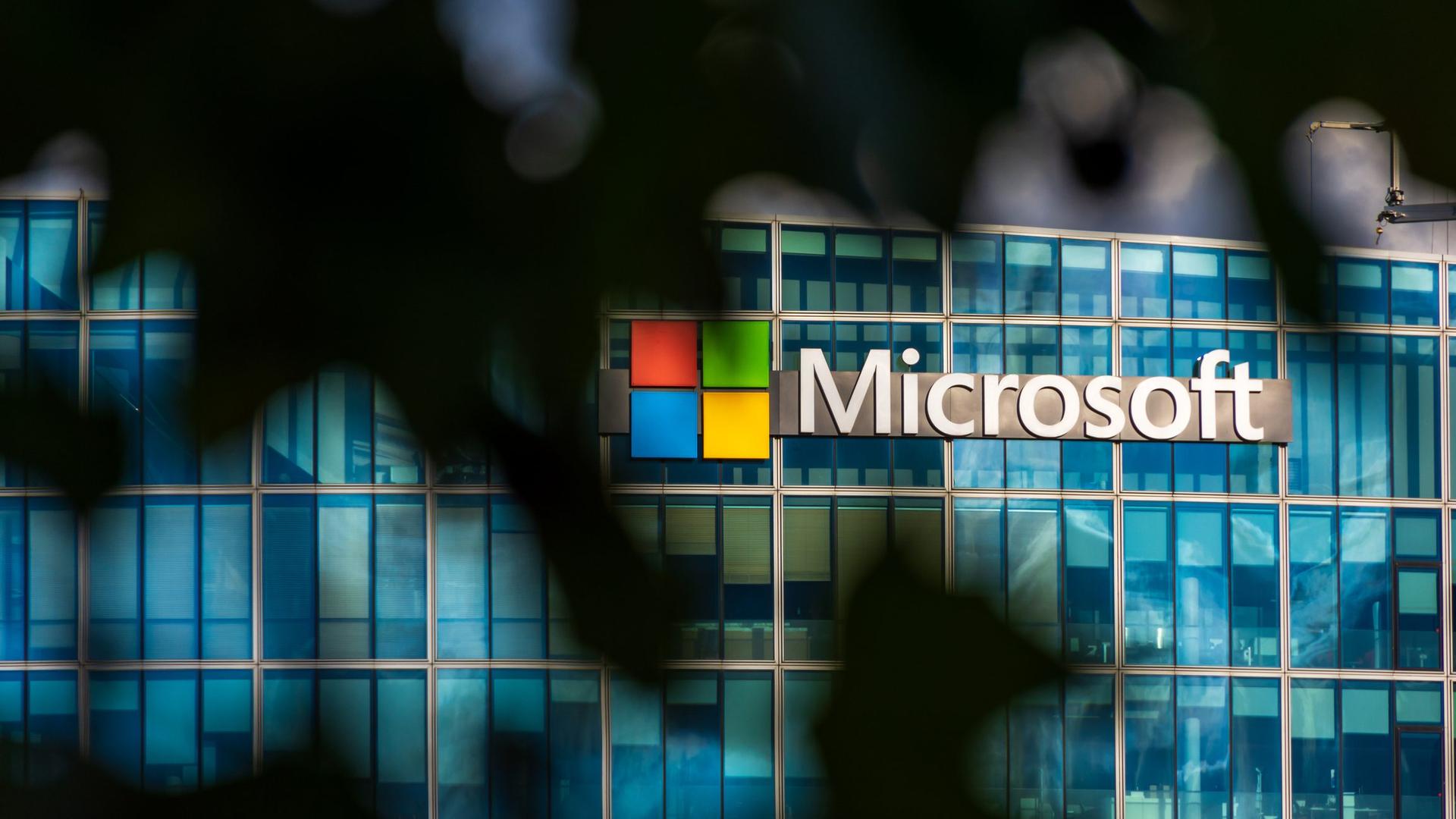
From Thursday 12 to Saturday 14 November, a Microsoft 365 outage deprived organisations in 74 countries of their e-mail, their calendars and some of their work tools. Microsoft rules out any attack and speaks of a problem on its network. Organisations that ran everything through Microsoft 365 were paralysed, and phishing campaigns took advantage of the confusion from the very next day.
What happened?
The first problems appeared on Thursday 12 November at around 17:15 Belgian time on Exchange Online, the service that runs Outlook in businesses. First reported on the American continent, the outage spread to Microsoft 365 and affected users in 74 countries and territories.
Outlook and Exchange were the hardest hit, with e-mails that would no longer go out or did not arrive. Copilot, SharePoint Online, Planner and some administration tools were also disrupted. In Teams, calendars and meeting scheduling stopped working, while instant messaging and video calls largely held up. In the United States, Downdetector counted more than 130,000 reports for Outlook at the height of the outage.
By Friday afternoon, the outage had lasted more than 21 hours. Microsoft extended the retention period for queued e-mails to 48 hours so that no delayed message would be lost. Service was restored in the evening and Microsoft confirmed on Saturday 14 November that all its services were working again.
The US House of Representatives and several Australian government bodies reported difficulties, and AI assistants connected to Microsoft 365 lost access to their users' e-mails and calendars. In the United States, the company Workhorse Group even postponed the presentation of its quarterly results by four days.
What caused the outage?
Microsoft first spoke of an overload. Its teams then found that a process responsible for establishing secure connections on the servers was saturated. The failed servers shifted their traffic to the others, which gave way in turn, and several machines went down again just after restarting.
The company then linked the incident to a problem that occurred during a capacity increase on its network, triggered by a more recent change. It rules out any cyberattack and promises a detailed report.
In Belgium, an "economic paralysis"
The Flemish employers' organisation Unizo reported enormous disruption for self-employed people and SMEs, who could no longer reach their customers or sign contracts. Its CEO, Bart Buysse, spoke of economic paralysis on Friday morning.
Unizo points out that four out of five businesses depend heavily on their digital tools and that barely one in ten has an emergency plan in the event of a cyber incident. For Bart Buysse, a business cannot prevent an outage at Microsoft, but it can avoid being completely paralysed.
The phishing that followed the outage
A few hours after the outage began, the security vendor Mimecast spotted the first phishing e-mails using it as bait, and Microsoft Threat Intelligence confirmed an active campaign on Saturday 14 November.
The fake message imitates a Microsoft 365 service status notification and quotes the real Exchange Online incident number, EX1550543. It announces that messages were held during the outage and that they will be deleted within 24 hours unless the recipient clicks to restore them. The link leads to a fake login page. Other variants use text messages or fake IT support calls.
These messages arrive at the very moment when teams are expecting news from IT, and the real extension of the e-mail retention period makes the story plausible.
Dependence on a single provider
For many organisations, Microsoft 365 brings together e-mail, calendar, documents, meetings, the AI assistant and sometimes part of the security tools, which therefore all go down at the same time.
Management can map these dependencies, determine how long it can hold out without them and decide in advance how to work in degraded mode. The legislation already requires this: NIS2 requires essential and important entities to manage business continuity and crisis management, and DORA requires the financial sector to monitor concentration risk among its ICT service providers.
Five decisions to make before the next outage
- A crisis channel that does not depend on Microsoft 365, known to management and key teams, with a list of numbers accessible offline.
- A maximum tolerable downtime for e-mail, written down and approved by management, to know whether a 24-hour outage is an inconvenience or a crisis.
- A degraded mode for processes that cannot wait: payments, contract signatures, customer reception and on-call duty.
- A simple rule for all staff: IT never sends a link to "restore" messages, and service status is checked in the admin center or with the IT department.
- For NIS2 entities, a designated person who decides whether an outage at a provider becomes a significant incident to be reported to the CCB, with the early warning within 24 hours.
Frequently asked questions
How long did the Microsoft 365 outage last?
It began on Thursday 12 November at around 17:15 Belgian time. Services recovered on Friday evening and Microsoft confirmed their full return on Saturday 14 November.
Was the outage a cyberattack?
No, according to Microsoft. The company links the incident to a change in its network that took servers offline and overloaded the others.
Are e-mails sent during the outage lost?
Microsoft extended the retention period for queued messages to 48 hours to prevent losses. An e-mail announcing that your messages will be deleted within 24 hours unless you click is a phishing attempt.
How can you recognise fake e-mails linked to the outage?
They imitate Microsoft notifications, quote the real incident number EX1550543 and push you to click to restore messages. Do not click, and check the service status in the Microsoft 365 admin center.
Must an outage at a cloud provider be reported under NIS2?
It depends on its impact. If it seriously disrupts the services of an essential or important entity, it may constitute a significant incident to be reported to the CCB.
Sources
- Le Monde Informatique, global Microsoft 365 outage (services affected, 74 countries, Downdetector, cause, impact): https://www.lemondeinformatique.fr/applications-developpement/panne-mondiale-de-microsoft-365-outlook-perturbe-p
- Selectra, hour-by-hour timeline of the outage (start at 17:17, more than 21 hours, retention period extended to 48 hours): https://selectra.info/telecom/actualites/marche/panne-microsoft-365-pourquoi-pas-reglee
- KultureGeek, 15 November 2026, Microsoft's explanation and full restoration: https://kulturegeek.fr/?p=364043
- Belga via DH, 13 November 2026, consequences for Belgian SMEs according to Unizo: https://www.dhnet.be/dernieres-depeches/2026/11/13/panne-chez-microsoft-la-panne-a-des-consequences-pour-de-nombreuses-pme-belges-2WHX2FY5T5HF7PIG5TJLHVZ2SA/
- iTnews, 14 November 2026, phishing campaign confirmed by Microsoft Threat Intelligence: https://www.itnews.com.au/news/phishers-quick-to-exploit-extended-m365-outage-630347
- Mimecast, fake held messages after the outage: https://www.mimecast.com/fr/blog/attackers-exploit-the-microsoft-365-outage-with-fake-held-messages-lures/
- Field Effect, text message and fake IT support variants: https://fieldeffect.com/blog/microsoft-365-outage-theme
- NIS2 Directive, Article 21 (business continuity and crisis management) and Article 23 (early warning within 24 hours)
- DORA Regulation, Article 29 (concentration risk of ICT service providers)
Read next
 News
7 min read
Sextortion: More Than 550 Reports to Child Focus This Year
Child Focus received more than 550 sextortion reports in 2026, 152% more than in 2025. How this blackmail works, what AI changes and what to do.
Read the article News
7 min read
Lynx Data Breach: What the Broker's Second E-mail Says
National Register number, ID document, portfolio value: what the Lynx breach exposes, why it is sensitive and the questions to ask in your organisation.
Read the article News
7 min read
Chinese Cars: The Security Question Reaches Company Fleets
MEPs, Belgian Defence: why Chinese connected cars are raising concerns and what you should check in your company fleet.
Read the article