News5 min read
"The biggest cyberattack ever discovered in Flanders": data of 1.2 million Flemish people stolen with the help of AI
A service provider for recycling centres hacked with the help of DeepSeek: 82 Flemish municipalities and 1.2 million people affected. What leaked and what to do.
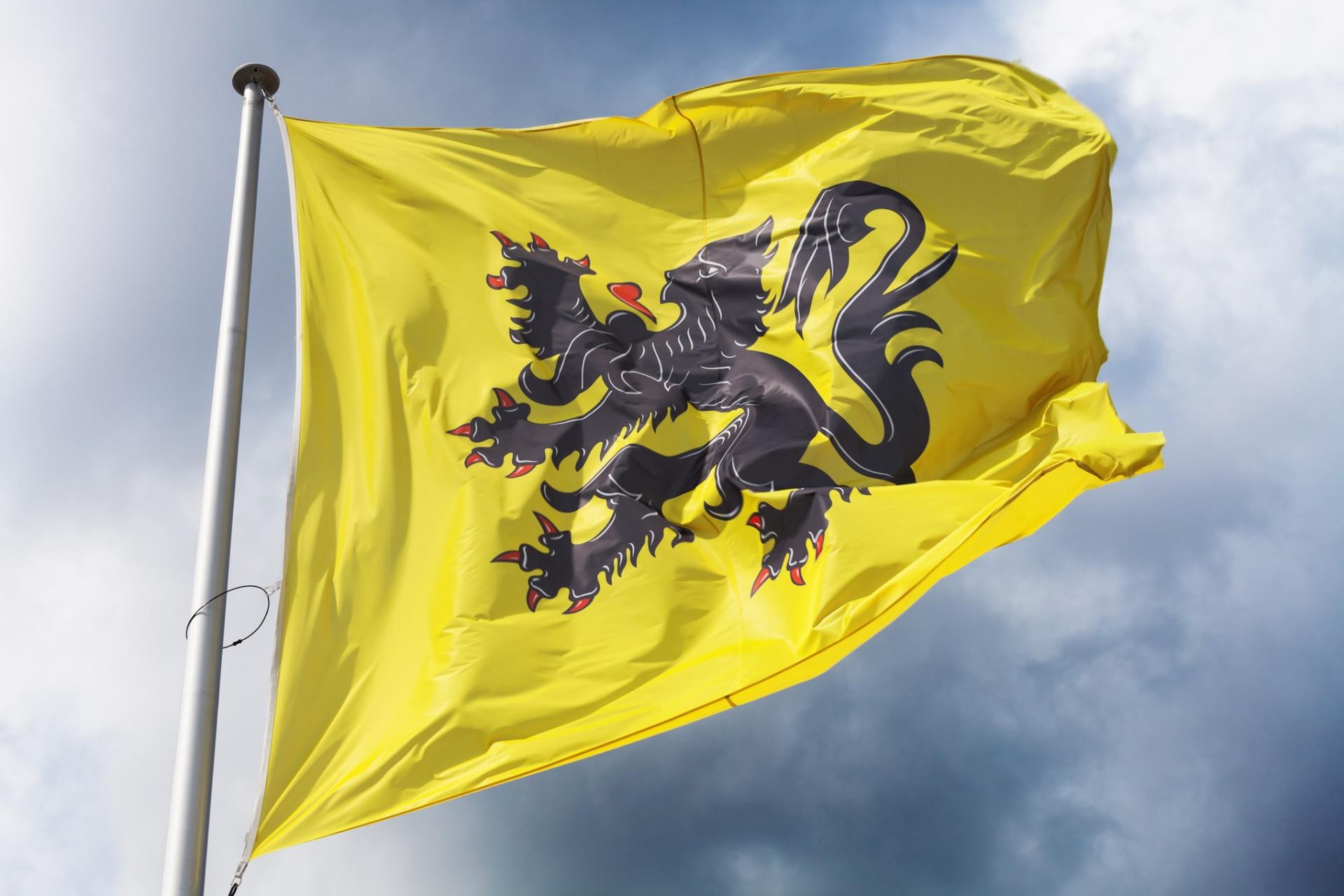
The data of around 1.2 million Flemish people from 82 municipalities has been stolen from the server of a service provider for recycling centres. The hacker had little technical skill: the Chinese AI DeepSeek wrote the code for the attack. Secutec and SOCRadar disclosed the case on Wednesday 25 November, and the head of Secutec calls it the biggest cyberattack ever discovered in Flanders.
One provider, one server, 82 municipalities
The hacker did not break into the municipalities' own systems. He targeted the central server of a provider that manages data for Flemish recycling centres, known locally as container parks. To drop off their waste, residents show their identity card, which lets the site check that they actually live in the municipality.
On this server, the files were not encrypted and access was poorly protected. In one go, the hacker found the files of 65 municipalities, then the file of an intermunicipal waste management company that gave access to 17 more. All five Flemish provinces are affected, East Flanders the most. Neither the provider's name nor the list of municipalities has been made public.
The attack took place from 6 to 15 November. Its author goes by the name "BabidiGhost" and is reportedly linked to the cybercriminal group Ghost Hunters.
What data leaked
The files contained residents' names, addresses, dates of birth and sex, their national register and identity card numbers, and IBAN account numbers. Some municipalities also recorded licence plates, which were stolen along with the rest. Municipal employees are also included in the data.
According to Secutec's analysis, part of the data from some municipalities is already for sale on the dark web. It has not yet been established whether it has been sold on a large scale.
AI wrote the attack code
According to Secutec, the hacker had almost no technical skills. Between 6 and 15 November, he sent more than 5,800 prompts to DeepSeek, and only 41 were refused. He got around the model's guardrails and combined it with a legitimate digital assistant. The AI agent then wrote the code that exploited old, known software vulnerabilities, and siphoned off the data.
Samet Sazhak of SOCRadar says a campaign of this scale used to take years of experience. Today, an AI model without guardrails and a few hastily typed sentences are enough.
More than 50 other organisations targeted
The same hacker went after more than 50 organisations in Belgium, France and Switzerland: banks, insurers, payment and fintech companies, gambling platforms and cryptocurrency exchanges. More than half of the targets were Belgian. The organisations that had put multi-factor authentication, IP address restrictions and strict server-side validation in place held out.
The investigation and the authorities' response
Secutec notified the Centre for Cybersecurity Belgium (CCB) on 16 November, and the CCB immediately alerted the police and the public prosecutor's office. The East Flanders public prosecutor's office (Dendermonde division) has opened an investigation. The CCB cannot confirm the figures, but considers the order of magnitude plausible and describes it as a very serious incident.
The Association of Flemish Cities and Municipalities (VVSG) points out that the attack came through a supplier and that the municipalities were not directly at fault. It sees a structural problem and is calling for common security standards and clear agreements with suppliers. In Flanders, a municipality must notify affected residents within three days of being informed of a leak.
What affected residents can do
With a name, an address, a date of birth and an account number, a fraudster can write a very convincing message. The VVSG is asking municipalities to warn their residents about phishing attempts. A few simple habits reduce the risk:
- be wary of e-mails, text messages and calls that mention your personal data, even if they seem to come from your municipality, your bank or a public service;
- never share a password, access code or bank card PIN;
- check your bank statements and report any direct debit or payment you do not recognise to your bank;
- forward suspicious messages to suspect@safeonweb.be.
What organisations should take away
The weak point was a provider that held the municipalities' data. This is the scenario the NIS2 directive addresses when it requires organisations to manage supply chain security. Three questions are worth asking every provider that holds your data:
- Is the data encrypted, and kept separate from that of its other clients?
- Is access protected by multi-factor authentication and restricted to known IP addresses?
- Are known vulnerabilities in its software fixed within deadlines set out in the contract?
AI lowers the skill level needed to attack. A poorly protected server that would have gone unnoticed two years ago can now be found and exploited by someone who can barely code.
Frequently asked questions
How many people are affected by the data leak in Flanders?
Around 1.2 million residents and employees of 82 Flemish municipalities, according to Secutec and SOCRadar. The CCB does not confirm this figure but considers the order of magnitude plausible.
What data was stolen?
Names, addresses, dates of birth, sex, national register and identity card numbers, IBAN account numbers and, for some municipalities, licence plates.
How did the hacker obtain the data?
He accessed the poorly protected server of a provider that manages data for recycling centres. The files were not encrypted, and he used the DeepSeek AI to write the code for the attack.
What should I do if my data is part of the leak?
Be wary of messages that mention your personal data, never share a password or code, check your bank statements and forward suspicious messages to suspect@safeonweb.be.
Sources
- VRT NWS, Joppe De Hert, 25 November 2026, data of 1.2 million Flemish people from 82 municipalities stolen and investigation by the East Flanders public prosecutor's office: https://www.vrt.be/vrtnws/nl/2026/11/25/gegevens-van-1-2-miljoen-vlamingen-gestolen-door-hackersgroep-gh/
- La DH (Belga), 25 November 2026, "The biggest cyberattack ever discovered in Flanders": https://www.dhnet.be/actu/belgique/2026/11/25/la-plus-grande-attaque-informatique-jamais-decouverte-en-flandre-les-donnees-d12-million-de-flamands-volees-a-laide-dun-agent-dia-DX6DSHM5V5FYRN5CEXTBGQUXLM/
Read next
 News
7 min read
Sextortion: More Than 550 Reports to Child Focus This Year
Child Focus received more than 550 sextortion reports in 2026, 152% more than in 2025. How this blackmail works, what AI changes and what to do.
Read the article News
6 min read
Microsoft 365 Outage: More Than 24 Hours Without E-mail, Now What?
Microsoft 365 down from 12 to 14 November in 74 countries: the cause, the phishing that followed and five decisions to make before the next outage.
Read the article News
7 min read
Lynx Data Breach: What the Broker's Second E-mail Says
National Register number, ID document, portfolio value: what the Lynx breach exposes, why it is sensitive and the questions to ask in your organisation.
Read the article